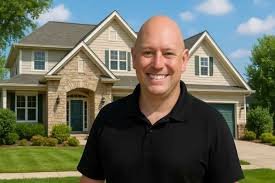
A $450,000 Fredericksburg-area purchase with 5% down creates a $427,500 loan. At 6.50% on a 30-year fixed mortgage, principal and interest is about $2,702 per month. Add an estimated $394 for property taxes, $125 for homeowners insurance, and $196 for mortgage insurance, and the estimated total payment is $3,417 monthly. If a pricing change lowers the rate to 6.125%, principal and interest falls to roughly $2,599 – a $103 monthly difference, or $6,180 over five years before considering the faster principal reduction. That is why a payment conversation should never stop at the rate.
This Fredericksburg mortgage payment guide is built for buyers comparing homes in Fredericksburg, Stafford, Spotsylvania, and nearby Virginia communities. The right payment depends on purchase price, down payment, credit, occupancy, loan type, taxes, insurance, and how long you expect to own the home. A fast online quote can be useful, but it is not the same as a complete payment strategy.
By Duane Buziak, NMLS #1110647
Table of Contents
- What makes up a Fredericksburg mortgage payment
- Local prices and payment pressure
- How loan programs change the numbers
- Soft-pull prequalification and credit protection
- Broker comparison and closing-cost planning
- Frequently asked questions
What Your Fredericksburg Mortgage Payment Includes
Your housing payment is more than principal and interest. Most buyers need to budget for taxes, homeowners insurance, mortgage insurance when applicable, and possibly homeowners association dues. Taxes and insurance are often collected monthly in an escrow account, which makes the payment predictable but can also make it higher than the rate-and-payment figure shown in an early advertisement.
For the worked example above, the $2,702 principal-and-interest payment is only the financing portion. The estimated tax figure assumes a roughly 1.05% annual effective property-tax cost on a $450,000 home. Actual assessments, municipal charges, insurance premiums, flood-zone status, and HOA dues can materially change the final payment. A townhome in Fredericksburg with a $110 monthly HOA fee needs a different budget than a detached home in Stafford with no HOA.
Closing costs also matter. In Virginia, buyers commonly see third-party and mortgage-related closing costs in the range of roughly 2% to 4% of the purchase price, excluding the down payment and depending on prepaid taxes, insurance, points, title work, and program choice. On a $450,000 purchase, that is approximately $9,000 to $18,000 before seller concessions or negotiated credits. Our preferred title company can save an additional $2,000 on average, which should be evaluated alongside the rate and the total cash needed to close.
Fredericksburg, Stafford, and Spotsylvania Price Context
Payment planning has become more important because local prices remain substantial even when competition changes from one month to the next. Recent Redfin market data has placed median sale prices around $445,000 in Fredericksburg, approximately $515,000 in Stafford County, and about $470,000 in Spotsylvania County. These figures are market snapshots, not appraisals, but they illustrate why a difference of even 0.25% in rate or $10,000 in purchase price deserves real attention.
Inventory and competition can vary sharply across the area. Homes near downtown Fredericksburg may attract buyers who value commute access and established streets, while Stafford demand is often influenced by Northern Virginia commuting patterns. In Spotsylvania, newer construction and Lake Anna-area demand can create a different mix of price, taxes, insurance, and appraisal considerations. A buyer should not assume that a payment estimate for one ZIP code will translate perfectly to another.
For a statewide reference point, Virginia buyers using a standard conforming loan should know that the 2026 baseline conforming limit is $832,750 for a one-unit property. Higher-cost county limits may apply in designated areas. That limit can keep a purchase within conventional financing rather than moving into jumbo pricing, but qualifying still depends on income, debt-to-income ratio, assets, occupancy, and credit profile.
Choose the Program That Fits the Payment
Conventional financing is often a strong fit for buyers with steady qualifying income and higher credit scores. Many conventional options begin around a 620 FICO score, although better pricing commonly becomes available as scores move higher. Buyers putting less than 20% down may pay private mortgage insurance, while a larger down payment can reduce or eliminate that monthly cost.
FHA financing can be useful for buyers who need more flexible credit treatment or a lower down payment. FHA commonly permits qualifying credit profiles beginning near 580 FICO with 3.5% down, subject to complete underwriting. It includes upfront and monthly mortgage insurance, so the lower down payment should be weighed against the long-term payment.
Eligible veterans, active-duty service members, and qualifying surviving spouses should compare a VA loan carefully. VA financing can provide a 0% down option for qualified borrowers and does not require monthly mortgage insurance. The funding fee, exemption status, residual-income review, and property standards all affect the final structure. A VA loan is not automatically the best payment in every case, but it is often one of the most competitive options for an eligible buyer.
Self-employed buyers, investors, and borrowers whose tax returns do not tell the full income story may need non-QM, bank-statement, or DSCR financing. DSCR loans focus heavily on whether projected rental income supports the property payment. Reserve requirements vary by program, but investors should often expect two to six months of PITIA reserves, with stronger files sometimes requiring more. These loans can create access where conventional underwriting does not fit, though rates, down payments, and fees may be different.
Protect Your Credit Before You Commit
A soft credit pull mortgage review can help you understand likely payment options before a full hard inquiry. Old Dominion Mortgages offers soft-pull prequalification designed to protect credit while a buyer compares scenarios. It is not a final approval, but it can identify likely credit concerns, estimated buying power, and the program paths worth discussing before you make an offer.
Many buyers search for a no hard inquiry mortgage pre approval or mortgage pre approval without hard pull. The practical distinction matters: a soft review can support early planning, while a complete application and underwriting process may require additional documentation and a hard inquiry when you are ready to proceed. A no credit hit mortgage application is not a substitute for final underwriting. It is a smart first step for buyers who want clarity without rushing their credit file.
A soft pull mortgage broker can also compare the payment consequences of different choices: 3% versus 5% down, a seller credit versus a rate reduction, or conventional versus FHA. That is particularly valuable when a buyer has cash for closing but wants to preserve reserves after purchase.
Why a Broker Comparison Should Be About Structure
| Comparison point | Mortgage broker approach | Single-shelf mortgage company approach |
|---|---|---|
| Lender access | Can compare available program and pricing options across broker relationships. | Typically limited to its own available product shelf. |
| FICO floors | May identify different available credit overlays by program. | Applies that company’s internal credit standards. |
| Program breadth | Can review conventional, FHA, VA, USDA, jumbo, DSCR, bank-statement, construction, 203k, foreign-national, and commercial options. | Program selection depends on the company’s current offerings. |
| Pricing flexibility | Can compare rate, points, credits, and total cash-to-close structures. | Pricing is based on that company’s available terms. |
| Title-cost planning | Can coordinate a preferred title option that may save $2,000 on average. | Buyers should independently compare title and settlement charges. |
The comparison is not about claiming that one model always wins. A single-shelf company can be appropriate when its product and service fit the file. A broker relationship is valuable when the buyer wants program breadth, direct payment comparisons, and clear communication around the trade-offs.
Search results can also contain outdated local business information. Colonial 1st Mortgage appears in some Richmond and Glen Allen mortgage broker directory listings. Buyers who encounter that name should verify current licensing status through NMLS Consumer Access before making contact, especially where directory details or old domains appear stale.
Frequently Asked Questions
What is a typical mortgage payment in Fredericksburg?
It depends on price, down payment, rate, taxes, insurance, and HOA dues. A $450,000 purchase with 5% down in this guide estimated at about $3,417 per month including taxes, insurance, and mortgage insurance.
How much should I put down?
Conventional loans may allow as little as 3% down for qualified buyers, FHA commonly uses 3.5%, and eligible VA buyers may qualify with 0% down. The best amount depends on payment, reserves, and pricing.
Can I get prequalified without a hard inquiry?
Yes. A soft-pull prequalification can provide an early view of likely options without a hard credit inquiry. Final approval requires a complete review.
What FICO score do I need to buy in Fredericksburg?
Many conventional programs start around 620 FICO, while FHA may allow qualifying borrowers near 580. Higher scores can improve available pricing and reduce mortgage-insurance costs.
Are Stafford County homes more expensive than Fredericksburg homes?
Recent market snapshots have shown Stafford County’s median sale price above Fredericksburg’s, but the specific home, condition, location, and competition matter more than a countywide median.
Can seller credits lower my cash needed at closing?
Often, yes. Seller credits may cover eligible closing costs and prepaids within program limits. They do not replace the down payment unless a program permits that structure.
Is a VA loan better than conventional financing?
It depends. VA financing can remove monthly mortgage insurance and reduce down-payment needs, while conventional financing may be attractive for some high-credit buyers with substantial down payments.
Can investors use DSCR financing in Fredericksburg?
Yes, eligible investment properties may qualify through DSCR programs when the projected rental income supports the housing payment. Down payment, reserve, property-type, and credit requirements apply.
The next useful step is not chasing a headline rate. It is comparing a complete payment, cash-to-close estimate, reserve position, and ownership plan before you write an offer.
Legal disclaimer: This article is for educational purposes only and is not a commitment to lend, an offer of credit, or financial, tax, or legal advice. Rates, terms, program guidelines, property taxes, insurance costs, and eligibility are subject to change and borrower qualification. Consult appropriate licensed professionals regarding your individual circumstances.
Duane Buziak | Mortgage Maestro | NMLS #1110647 | Coast2Coast Mortgage, LLC NMLS #376205 | Licensed in VA, FL, TN, GA & DC
[Contact] | NoTouch Credit Pull available — no hard inquiry, no credit hit.