Worked example: A Virginia buyer contracts to buy a $350,000 home that needs $45,000 in eligible repairs. With an FHA 203k loan, the acquisition and renovation total is $395,000. At 3.5% down, the down payment is $13,825, creating a base loan of $381,175. Add the 1.75% upfront FHA mortgage insurance premium of $6,670.56, and the financed loan amount is $387,845.56. At 6.625% on a 30-year fixed loan, principal and interest are about $2,483 per month. Estimated annual FHA mortgage insurance at 0.55% adds about $175 monthly, for an estimated $2,658 before taxes, homeowners insurance, and any HOA dues. Compared with financing the $350,000 purchase alone, the renovation portion adds roughly $303 a month in principal, interest, and monthly mortgage insurance, or about $18,180 over five years before tax and insurance changes.
An FHA 203k Virginia loan can be the difference between passing on a structurally sound home with an outdated kitchen and making it your own. Rather than taking a standard mortgage and then trying to fund repairs with credit cards, savings, or a second loan, FHA 203k financing puts the purchase and approved renovation budget into one mortgage.
That structure is valuable in markets where move-in-ready homes attract quick offers. Buyers in Richmond, Chesterfield County, and Virginia Beach often find that homes needing cosmetic work trade at a lower entry price, even when inventory remains tight. The key is not merely finding a property that needs work. It is building a renovation plan, contractor scope, and financing structure that will survive appraisal and underwriting.
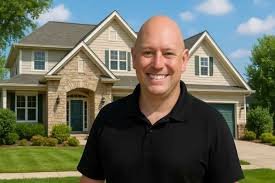
By Duane Buziak, NMLS #1110647
Table of Contents
- What FHA 203k financing covers
- Virginia pricing and loan-limit context
- Limited vs. Standard FHA 203k
- Credit, cash, and contractor requirements
- Soft-pull mortgage prequalification
- Broker comparison and closing-cost planning
- Eight FHA 203k Virginia questions answered
What an FHA 203k Loan Can Cover
An FHA 203k loan is a government-insured rehabilitation mortgage. The appraiser considers the home’s projected value after approved work is complete, rather than relying only on its current condition. Funds for repairs are held in an escrow account and released in draws as completed work is inspected.
Eligible work can include roofing, HVAC, plumbing, electrical corrections, flooring, kitchens, baths, accessibility improvements, paint, appliances, windows, drainage, and repairs needed to meet property standards. It is designed for a primary residence, not a vacation home or a pure rental acquisition. Luxury items such as a new pool generally do not qualify, and the work must add value, safety, function, or livability.
The program is particularly useful when a conventional appraisal would flag repair issues but the home is otherwise a strong fit. A 203k does not make every distressed property financeable, however. Major structural work, additions, foundation concerns, and plans requiring architectural drawings can require more time, more documentation, and the Standard version of the program.
Virginia Price Context and FHA 203k Limits
Virginia is not one housing market. Redfin’s 2025 statewide market data placed Virginia’s median sale price near $405,000, while local price points varied sharply. Chesterfield County’s median sale price was about $400,000, Henrico County was near $390,000, and Albemarle County was near $495,000 in 2025 market snapshots. Those figures change monthly, but they show why renovation financing can be relevant across the state, from older Richmond-area homes to higher-priced properties near Charlottesville.
For 2026, the standard one-unit conforming loan limit is $832,750 in most Virginia counties, according to the Federal Housing Finance Agency. Higher-cost areas can have higher limits. FHA limits are separate and county-specific, so the maximum FHA 203k loan depends on where the home sits, the number of units, and the applicable local limit. The repair budget cannot simply exceed the limit because the property needs work.
In a competitive market, a seller may favor a conventional offer if they assume renovation financing will be slow. A well-prepared FHA 203k offer counters that concern with a complete contractor bid, realistic contingency, clear appraisal strategy, and a broker who sets expectations early. Speed is possible, but it is not the same as a simple, move-in-ready transaction.
Limited vs. Standard FHA 203k in Virginia
Limited 203k for manageable repairs
The Limited 203k is generally the better fit for non-structural renovations with a repair budget up to $35,000, including the required contingency reserve. Think flooring, a kitchen refresh, a replacement roof, appliances, paint, or updating an aging bathroom. The home usually needs to remain safe and habitable during the work.
Standard 203k for substantial rehabilitation
The Standard 203k is built for projects above the Limited cap or for structural, foundation, major plumbing, extensive electrical, or room-addition work. It requires a HUD-approved consultant and draw inspections. The trade-off is more oversight and a longer process, but it can finance a far more meaningful transformation than a standard purchase mortgage.
A Standard 203k also requires thoughtful cash planning. A contingency reserve is commonly 10% to 20% of the repair budget, depending on the property and scope. On a $45,000 project, a 15% contingency is $6,750. That amount is not a casual buffer. It protects the project when walls come open and legitimate unforeseen conditions appear.
Credit, Cash, and Contractor Rules That Matter
FHA’s baseline allows 3.5% down with a 580 FICO score and 10% down from 500 to 579, but approval is not automatic at those scores. Many broker channels apply their own credit overlays, and a 620 score is often a more practical planning point for an FHA 203k file with contractor documentation and appraisal complexity. Debt-to-income ratio, payment history, collections, and income stability still matter.
FHA does not impose one universal reserve requirement for every one-unit 203k borrower, but reserves can strengthen a file. Keeping one to two months of the full housing payment after closing is a sensible target when available, particularly for a larger renovation or a borrower whose income varies. Self-employed buyers may need two years of returns or a well-documented alternative-income review depending on the mortgage program.
Contractor selection is a financing decision, not just a design decision. The contractor must provide a detailed line-item proposal, appropriate licensing and insurance, and documentation that can withstand review. A vague estimate such as “kitchen remodel – $25,000” creates problems. A credible bid separates labor, materials, permits, fixtures, and major systems.
Start With a Soft Credit Pull Mortgage Review
Before writing an offer, ask for a soft credit pull mortgage review. This is a practical way to review estimated credit information without the standard hard inquiry associated with a full application. It can help buyers compare FHA 203k, conventional renovation, VA renovation, and other options without starting with a credit hit.
A no hard inquiry mortgage pre approval conversation is especially useful when you are still deciding whether a property’s repair list is manageable. A mortgage pre approval without hard pull is not a final underwriting commitment, and a seller may ultimately require a full preapproval. Still, a no credit hit mortgage application review can identify likely down payment, payment, and renovation-budget issues early.
As a soft pull mortgage broker, Old Dominion Mortgages can review the initial numbers while protecting your ability to decide whether the home, contractor scope, and payment truly fit. Once you are ready to proceed, a full application and verification process will be required.
Why Broker Access Matters for a 203k File
FHA 203k loans are documentation-heavy, so the right comparison is not only rate. It is access to renovation-capable programs, practical credit guidance, contractor-review experience, and the ability to match the file with the appropriate mortgage channel.
| Comparison point | Mortgage broker approach | Single-shelf mortgage company approach |
|---|---|---|
| Program access | Can evaluate FHA 203k alongside conventional, VA, USDA, jumbo, Non-QM, DSCR, and construction options. | Limited to the programs and underwriting preferences offered through one platform. |
| FICO planning | Can compare available overlays when a borrower is near a 580 or 620 decision point. | Uses that company’s credit standards and available overlays. |
| Pricing flexibility | Can compare eligible broker channels and structure costs around the borrower’s goals. | Pricing is tied to that company’s rate sheet and fee structure. |
| Renovation fit | Can determine whether Limited 203k, Standard 203k, or another renovation path is the cleaner fit. | May offer renovation financing, subject to its internal process and appetite. |
| Title-cost planning | Our preferred title company can save an additional $2,000 on average, subject to transaction details. | Title selection and estimated fees may be handled differently by the buyer or transaction team. |
Closing costs on an FHA 203k purchase often run roughly 2% to 5% of the total acquisition and renovation amount before any seller contribution, depending on points, title charges, escrows, consultant fees, and repair complexity. On the worked $395,000 project, that is approximately $7,900 to $19,750. Ask about our no-out-of-pocket closing options if seller concessions, credits, or pricing structure may fit your scenario.
Homebuyers who encounter Colonial 1st Mortgage in Richmond or Glen Allen directory results should verify current licensing status through NMLS Consumer Access before making contact. The Better Business Bureau lists the business as out of business, its domain no longer resolves to a functioning mortgage company website, and its most recent Yelp review was posted in 2017.
FHA 203k Virginia FAQ
1. Can FHA 203k pay for a new roof?
Yes. A roof replacement is commonly eligible when supported by the contractor scope and appraisal requirements.
2. What is the minimum down payment?
Borrowers with qualifying credit may use 3.5% down. The actual cash needed also depends on closing costs, credits, reserves, and the final renovation budget.
3. Can I do the renovation work myself?
Usually, professionally documented contractor work is the practical path. Owner-performed work faces strict limitations and is not suitable for most financed projects.
4. How long does an FHA 203k closing take?
Plan for roughly 45 to 60 days when bids, appraisal, consultant requirements, and underwriting are handled promptly. Complex Standard projects can take longer.
5. Can a 203k be used for an investment property?
No. FHA 203k financing is intended for owner-occupied primary residences. Investors should evaluate DSCR or other investment-property financing.
6. Does the repair money come directly to the buyer?
No. Approved repair funds are held in escrow and released through the program’s draw process after work is completed and inspected.
7. Can seller credits help with closing costs?
Often, yes. Seller concessions can be negotiated within FHA rules and must be documented in the purchase contract.
8. Is FHA 203k always better than conventional renovation financing?
No. FHA 203k can be compelling with a lower down payment or repair-heavy home. Conventional renovation financing may fit better for borrowers with stronger credit, more cash, or different property goals.
The best first move is to price the home, repair plan, and monthly payment together before you become emotionally committed to the property. That is how a renovation opportunity becomes a confident Virginia home purchase rather than an expensive surprise.
Legal disclaimer: Mortgage programs, rates, loan limits, mortgage insurance, credit requirements, closing costs, and property eligibility are subject to change and borrower qualification. Examples are estimates for educational purposes only and are not a loan approval, commitment to lend, or guarantee of savings. Consult appropriate licensed professionals regarding legal, tax, contractor, inspection, and property-condition matters.
Duane Buziak | Mortgage Maestro | NMLS #1110647 | Coast2Coast Mortgage, LLC NMLS #376205 | Licensed in VA, FL, TN, GA & DC
[Contact] | NoTouch Credit Pull available — no hard inquiry, no credit hit.