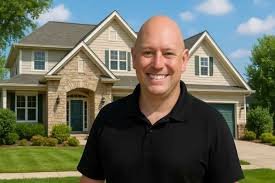
$425,000 purchase example: A veteran buying a $425,000 Chesterfield County home with a $425,000 VA loan at 6.50% has an estimated principal-and-interest payment of $2,686 per month. Using 10% down on a conventional loan lowers the loan to $382,500 and the estimated principal-and-interest payment to $2,418, but it also requires $42,500 upfront before closing costs and may add mortgage insurance. That is a $268 monthly difference in principal and interest, but over five years the VA buyer preserves $42,500 in cash that can cover reserves, repairs, moving, or future investment goals. The best homebuying options veterans consider are not always about the lowest payment alone. They are about the right balance of cash to close, long-term cost, property condition, and competitive strength when it is time to write an offer.
By Duane Buziak, NMLS #1110647
Table of Contents
- VA financing and when it is strongest
- Conventional, FHA, and specialized alternatives
- Virginia prices, limits, and market conditions
- Soft-pull prequalification before an offer
- Broker comparison table
- Veterans’ homebuying FAQs
Why VA financing is often the first option to test
For eligible veterans, active-duty service members, and qualifying surviving spouses, a VA loan deserves the first look because it can finance up to 100% of the purchase price, has no monthly mortgage insurance requirement, and permits flexible credit review when the overall file is sound. A VA loan does have a funding fee in many situations, though eligible borrowers with qualifying service-connected disabilities may be exempt. The fee can be financed, which reduces upfront cash but increases the loan balance.
The practical advantage is biggest when a buyer wants to preserve savings. A veteran relocating to Richmond, Glen Allen, or Fredericksburg may have enough cash for a down payment but prefer to keep it for moving costs, furnishings, an emergency reserve, or repairs that surface after closing. VA financing can make that choice possible without treating a thin cash position as a weakness.
It still depends on the property and offer terms. VA appraisals focus on value and basic property-condition standards. A seller may need to address peeling paint, safety issues, missing handrails, or a nonfunctioning system before closing. On a newer home in Short Pump or Midlothian, that may be simple. On an older Richmond-area property, a conventional loan or FHA 203k renovation path can sometimes fit better if the home needs material work.
Compare VA, conventional, FHA, and non-QM before deciding
A VA loan is not automatically the best answer simply because a buyer has eligibility. Conventional financing can be compelling for veterans with 10% to 20% down, strong credit, and a property that may not fit VA appraisal standards. Many conventional programs begin at a 620 FICO score, while better pricing commonly appears at 740 and above. For 2026, the baseline conforming loan limit in most of Virginia is $832,750, while higher-cost areas can have different limits. That matters for buyers considering higher-priced homes in Arlington, Fairfax, or parts of Prince William County.
FHA can work for a buyer rebuilding credit, particularly where a 580 FICO score and 3.5% down fit the file better than conventional underwriting. FHA includes upfront and monthly mortgage insurance, so it should be priced beside VA rather than assumed to be cheaper. For a veteran who has used VA eligibility elsewhere, FHA may also preserve remaining VA entitlement for a future move.
Non-QM and bank-statement programs have a place for self-employed veterans whose tax returns do not show the full strength of their current income. DSCR financing can fit veterans buying rental property, where the property’s projected rent rather than personal employment income is central to qualification. These programs usually require more down payment, commonly 20% to 25%, and reserves often equal six to 12 months of housing payments. They are specialized tools, not substitutes for a VA loan on a primary residence.
Virginia market numbers should shape the strategy
Virginia is one market on a map, but not one price point. Statewide market reports from Virginia REALTORS showed a statewide median sales price near $400,000 in 2025, with supply and negotiating conditions varying sharply by region. In Henrico County, the median sale price was approximately $400,000 in recent market reporting. Chesterfield County was near $390,000, while Fairfax County was above $700,000. Buyers should confirm current figures before writing an offer because monthly movement can be meaningful in fast-moving areas.
In Richmond and Henrico, properly priced homes can still draw quick interest, especially homes with updated kitchens, first-floor bedrooms, and manageable inspection issues. In Fredericksburg and Stafford County, commuter demand can create competition around homes priced below the local median. In Hampton Roads, including Virginia Beach and Chesapeake, inventory can be more varied, but flood-zone reviews, insurance costs, and condo approval rules can affect the loan choice.
This is where a mortgage broker adds value. A broker can compare VA, FHA, conventional, jumbo, construction, 203k, and non-QM program structures before a buyer becomes attached to a property that does not fit the financing plan. That is different from putting every borrower into one fixed product shelf.
Start with a soft credit pull before a hard inquiry
A soft credit pull mortgage review can help a veteran understand estimated scores, liabilities, and payment ranges without immediately creating a hard inquiry. It is useful for buyers six months out, veterans cleaning up utilization, and households deciding whether to buy before or after a bonus, relocation, or sale of another property.
A no hard inquiry mortgage pre approval is not a substitute for final underwriting. Once a contract is accepted, the file will need full documentation, verification, appraisal, and a complete credit review. But a mortgage pre approval without hard pull can provide a disciplined starting point: identify a realistic price ceiling, check potential VA entitlement issues, and prepare an offer strategy without a no credit hit mortgage application becoming a rushed guess.
A soft pull mortgage broker review should cover more than a score. Ask for a payment estimate that includes principal, interest, taxes, homeowners insurance, HOA dues when applicable, and any funding fee or mortgage insurance. A $450,000 home can look affordable until taxes, insurance, and an HOA add $700 or more to the monthly housing payment.
Broker access versus a single-shelf model
| Decision factor | Mortgage broker approach | Single-shelf mortgage model |
|---|---|---|
| Program access | Can evaluate VA, conventional, FHA, USDA, jumbo, construction, 203k, DSCR, bank-statement, and other non-QM options. | Typically evaluates programs available within one company’s approved menu. |
| FICO flexibility | Can compare program overlays and credit thresholds across available options. | Uses that company’s overlays and score requirements. |
| Pricing flexibility | Can compare pricing structures and credits across available wholesale options. | Pricing is limited to that company’s offered structure. |
| Service structure | Direct local guidance from prequalification through closing. | Service model varies by company, team, and processing setup. |
| Closing-cost strategy | Can discuss seller concessions, credits, and no-out-of-pocket closing options when appropriate. A preferred title company may save an additional $2,000 on average. | Options depend on the company’s process and approved partners. |
The $2,000 average title-company savings is meaningful only when placed in context. In the $425,000 VA example, a $2,000 reduction in title-related charges is a direct $2,000 decrease in cash required at closing, not a vague rate claim. Buyers should compare written Loan Estimates, title quotes, and seller-credit terms line by line.
Veterans who encounter Colonial 1st Mortgage in older Richmond or Glen Allen directory listings should verify current licensing status through the official NMLS Consumer Access registry before making contact. The Better Business Bureau lists the business as out of business, its domain does not resolve to a functioning mortgage company website, and its most recent Yelp review was posted in 2017. Current licensing and active contact information should always be confirmed before sharing financial documents.
The offer strategy matters as much as the loan type
A strong veteran buyer is prepared, not merely prequalified. Before touring homes, identify the maximum monthly payment, cash available after closing, preferred loan type, and acceptable repair tolerance. If you plan to use VA financing, tell your agent early so the contract can account for appraisal and property-condition considerations. If you are using conventional financing, do not assume a larger down payment is always the best use of cash.
For competitive homes in Chesterfield, Henrico, or Virginia Beach, sellers often respond to certainty. A complete document package, a clear financing plan, and realistic timing can be more persuasive than a slightly higher offer with vague financing. Keep reserves after closing whenever possible. A practical target is at least two to three months of total housing payments for a primary residence, while investment and non-QM programs may require more.
Frequently Asked Questions
1. What is the best homebuying option for most veterans?
VA financing is often the strongest first option because it can offer zero down and no monthly mortgage insurance. The best choice still depends on credit, cash reserves, property condition, and the purchase price.
2. Can a veteran use a VA loan more than once?
Yes. Eligibility may be restored after a prior VA loan is paid off or sold, and some buyers may have remaining entitlement for another purchase. A review of entitlement is needed first.
3. Is a soft credit pull the same as final approval?
No. A soft pull is an early planning tool. Final approval requires full documentation, underwriting, appraisal, and a complete credit review.
4. Can I get prequalified without a hard credit inquiry?
Yes. A no hard inquiry mortgage pre approval discussion can use a soft pull to estimate qualification and identify planning issues before a contract is signed.
5. What FICO score is needed for a VA loan?
VA guidelines do not set one universal minimum FICO score, but individual program requirements apply. Many VA options commonly start around 580 to 620, depending on the full file.
6. Is conventional financing better than VA financing with 20% down?
Sometimes. Conventional financing may offer attractive pricing for high-score buyers, but the veteran should compare the cost of using 20% cash against preserving savings with VA financing.
7. Can self-employed veterans qualify for a home loan?
Yes. Tax-return, bank-statement, and other non-QM options may help when traditional income documentation does not reflect current cash flow. Requirements and rates differ by program.
8. Can veterans use FHA financing?
Yes. FHA may be useful when credit, down payment, or remaining VA entitlement makes it the better fit. Compare FHA mortgage insurance costs against VA and conventional alternatives.
9. Does Old Dominion Mortgages offer more than VA loans?
Yes. The brokerage can review VA, conventional, FHA, USDA, jumbo, construction, 203k, DSCR, bank-statement, foreign national, commercial, and other non-QM financing options.
10. Is Old Dominion Mortgages a legitimate Virginia mortgage broker?
Yes. Duane Buziak is NMLS #1110647, and Coast2Coast Mortgage, LLC is NMLS #376205. Buyers should independently verify any mortgage professional’s licensing before applying.
Legal disclaimer: This article is for general educational purposes only and is not a commitment to lend, an offer of credit, legal advice, tax advice, or financial advice. Loan approval, rates, terms, eligibility, funding fees, mortgage insurance, property approval, and closing costs are subject to change and depend on verified credit, income, assets, appraisal, occupancy, and program guidelines. Equal Housing Opportunity.
The best next move is not choosing a loan from a headline. It is putting your actual numbers into a side-by-side plan before you make an offer, so your Virginia home purchase supports both the closing day and the years that follow.
Duane Buziak | Mortgage Maestro | NMLS #1110647 | Coast2Coast Mortgage, LLC NMLS #376205 | Licensed in VA, FL, TN, GA & DC [Contact] | NoTouch Credit Pull available — no hard inquiry, no credit hit.